
What does a partnerships manager at Yonder actually do?
(The version you won’t find in the job description.)
In this series, we sit down with the people behind the work to explore the problems they solve, the decisions they make and the parts of the job most people do not see.
First up: Kyle Goldstine, our Partnerships Manager for Online and Shopping. He claims to be “the glue”. We asked him to elaborate.
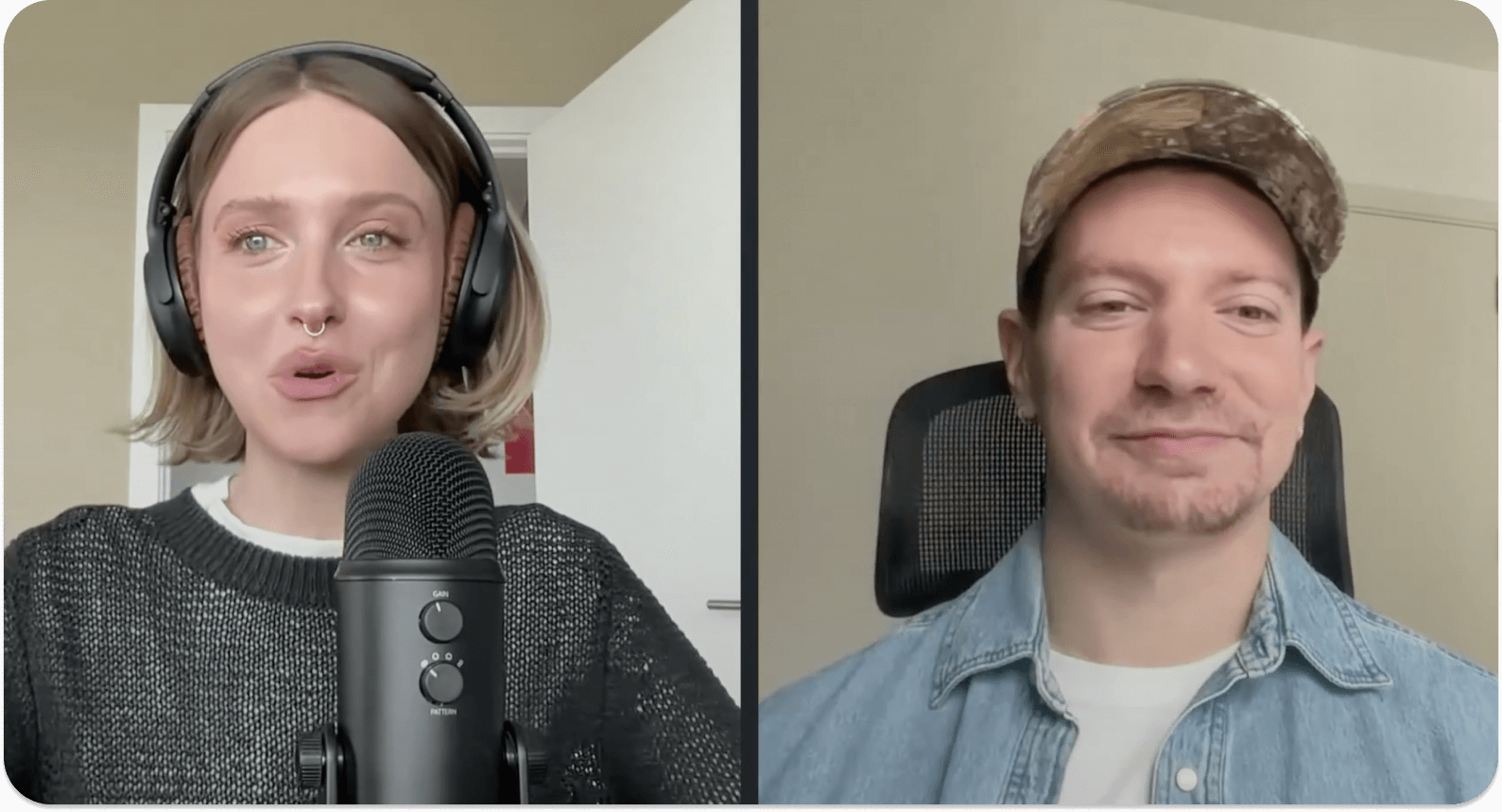
“I keep it all together.”
Lo: Let’s start simple. What does a partnerships manager at Yonder actually do?
Kyle: I keep it all together.
We push for more.
Kyle: Fine. The real answer is that I find and build relationships with brands our members care about.
Some are big names everyone already knows. Some are smaller, up-and-coming brands doing interesting things. My job is to understand what our members are into, go out and find the right partners, bring them on board and then make sure the relationship actually works.
And it has to work for three parties. Our members. Our partners. And us. If one of those loses, it is not a good partnership.
It’s not just “more, more, more”
When asked what problems people bring to him, Kyle does not hesitate.
“More partners.”
At a startup, partnerships is not just outreach. It is end-to-end. From identifying a brand, to pitching, to negotiating terms, to building the campaign in the backend, to launching it properly.
Sometimes the challenge is performance. Sometimes it is positioning. Sometimes it is a feature update that might impact partners in ways no one initially considered.
There are a lot of moving parts. And a lot of thinking that does not show up on a dashboard.
What a good day actually looks like
A good day is not just about revenue.
It is closing a deal you have been chasing for weeks. Getting a meeting with a brand you genuinely rate. Seeing members react positively to a launch.
Kyle mentions two examples.
Nothing. A London-based challenger tech brand. Design-led. Distinctive. One of his first bigger partners at Yonder.
And Selfridges. The opposite end of the spectrum. An iconic name that members instantly recognise.
Different brands. Same outcome. Alignment, performance and mutual value.
“That’s the sweet spot.”
The underrated skill: not taking it personally
Partnerships involves a lot of conversations. Which means a lot of no’s.
“It’s often not about you,” Kyle says. “It’s timing. It’s priorities. It’s not the right fit.”
You move on.
There is also a common misconception that partnerships is purely sales-driven. Yes, revenue matters. But brand alignment, ecosystem quality and long-term value matter too.
Some brands will not “blow the doors off” commercially. But they add something culturally relevant or strategically important. That counts.
Three customers, not one
Kyle’s background is anything but linear. Agency owner. Hospitality. Red Bull. Retail. Marketing.
That range helps.
“At Yonder, we effectively have two main customers. Our members and our partners. And then there’s us as the business.”
You cannot optimise for one at the expense of the others. A feature that delights members but frustrates partners is not a win. A deal that looks good on paper but damages the brand is not a win either.
The job is balancing all three perspectives at once.
What surprised him about Yonder
“The team,” he says, without hesitation.
Yonder runs a dedicated values interview alongside experience interviews. It felt unnecessary at first. Slight eye roll included.
But it works.
“We hire for people first. Skills can be developed.”
In a fast-growing startup, that is not easy to maintain. But it shows up in the culture. And in how teams collaborate across product, marketing and partnerships.
Strong opinions. Constructively delivered.
Kyle describes himself as opinionated.
He asks questions. He challenges assumptions. He wants to understand how and why something works before moving forward.
“I don’t need to be right. But if something feels off, I’ll say it.”
That curiosity shows up everywhere. From campaign strategy to product decisions to how new features impact partners.
It is also why he has been told, historically, to stop asking so many questions.
We consider that a positive trait.
Who would love this job?
Someone with good taste.
That sounds flippant. It is not.
If you are not genuinely interested in brands, culture and what people care about, partnerships will feel transactional. It should not.
You also need to enjoy talking to people. The core of the job is conversations. Outreach. Negotiation. Relationship building.
And conviction helps. Decisions get challenged. Ideas get debated. You need to stand behind your reasoning.
The data point people overlook
Demographics.
As Yonder grows, the member base evolves. Credit and debit members behave differently. Interests shift. Categories expand.
“If we don’t understand who we’re serving, the partnerships won’t land.”
Kyle also looks beyond internal metrics. Social buzz. Cultural relevance. What people are saying about brands outside the app.
Not everything valuable shows up neatly in a spreadsheet.
The invisible work
From the outside, partnerships can look simple.
You have a list. You reach out. You sign deals.
In reality, there is a significant amount of research, analysis and strategic thinking behind every brand you see in the app. Why this brand. Why now. Why it makes sense for members. Why it works commercially.
And it takes time. Much more time than people realise.
So, what does a partnerships manager actually do?
He curates. He negotiates. He challenges. He balances competing incentives. He protects the ecosystem.
And occasionally, he keeps it all together.
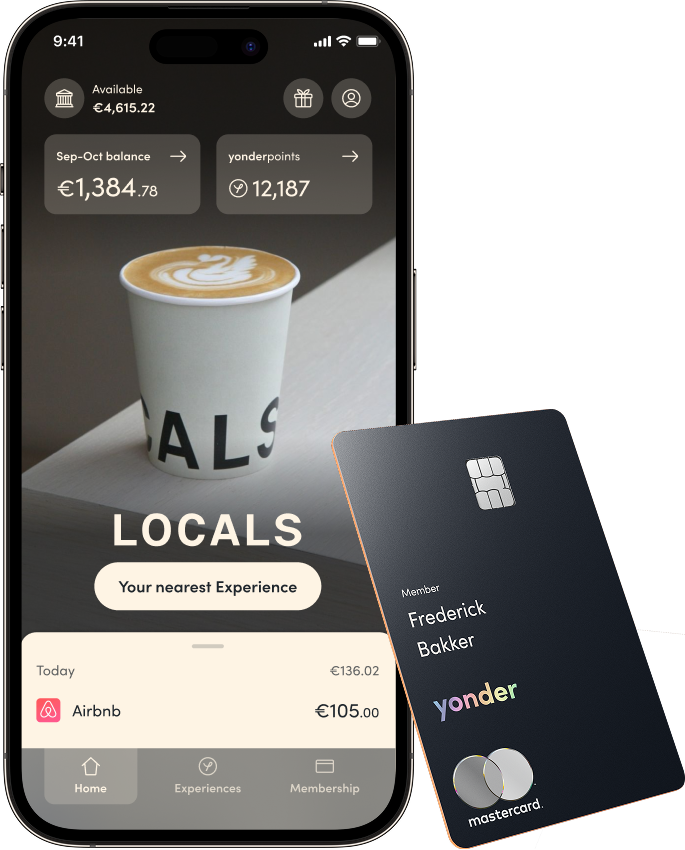
At Yonder, partnerships are not just about adding logos to a page. They are about curating a rewards ecosystem that reflects what you actually care about. Every brand in the app has been chosen deliberately, with members, partners and long-term value in mind. If you want to see the results of Kyle’s strong opinions in action, open the app and start exploring.

.png)
.png)