

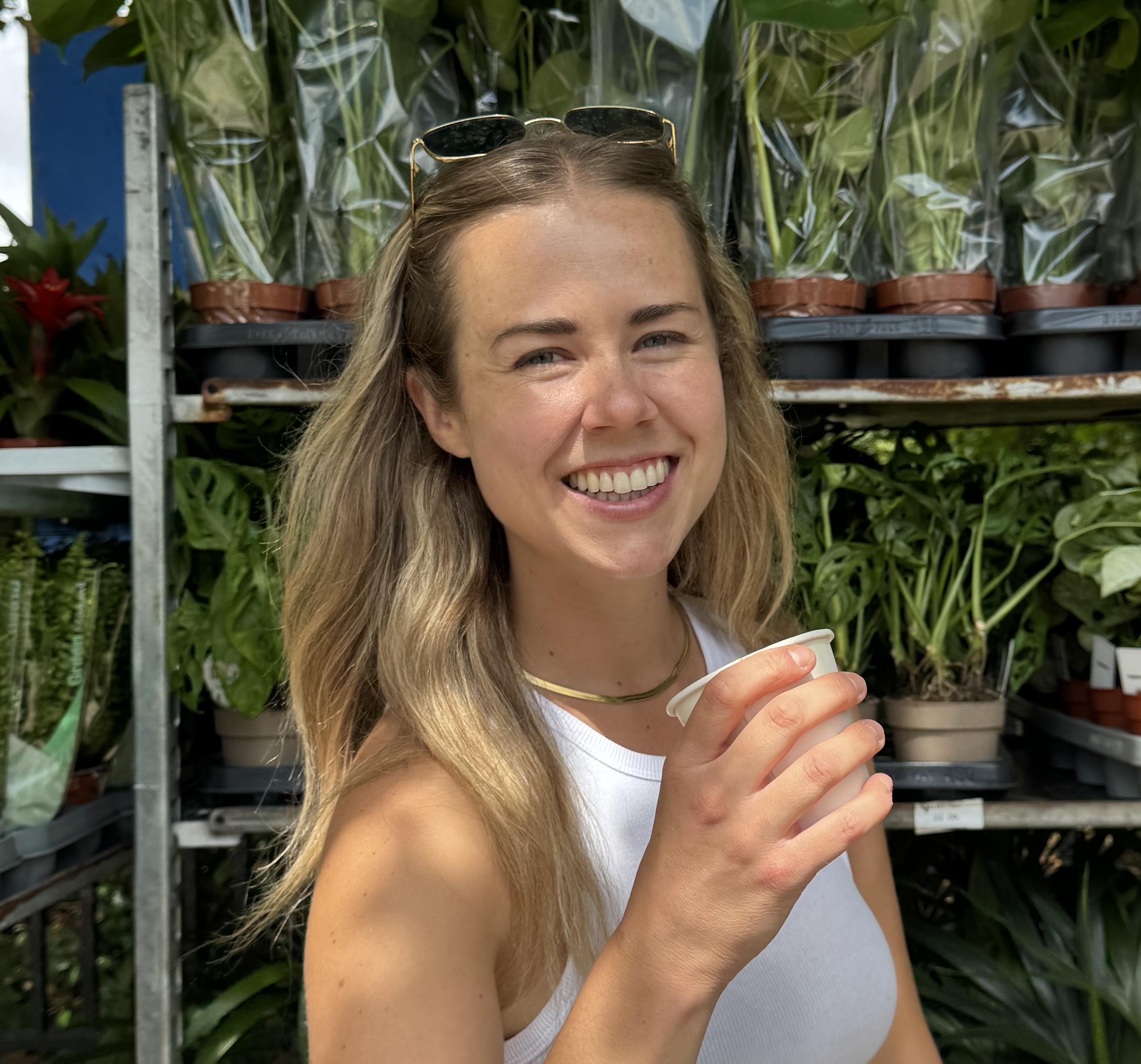


Time on the ground with the farmers in Japan, plus why good matcha takes its time.
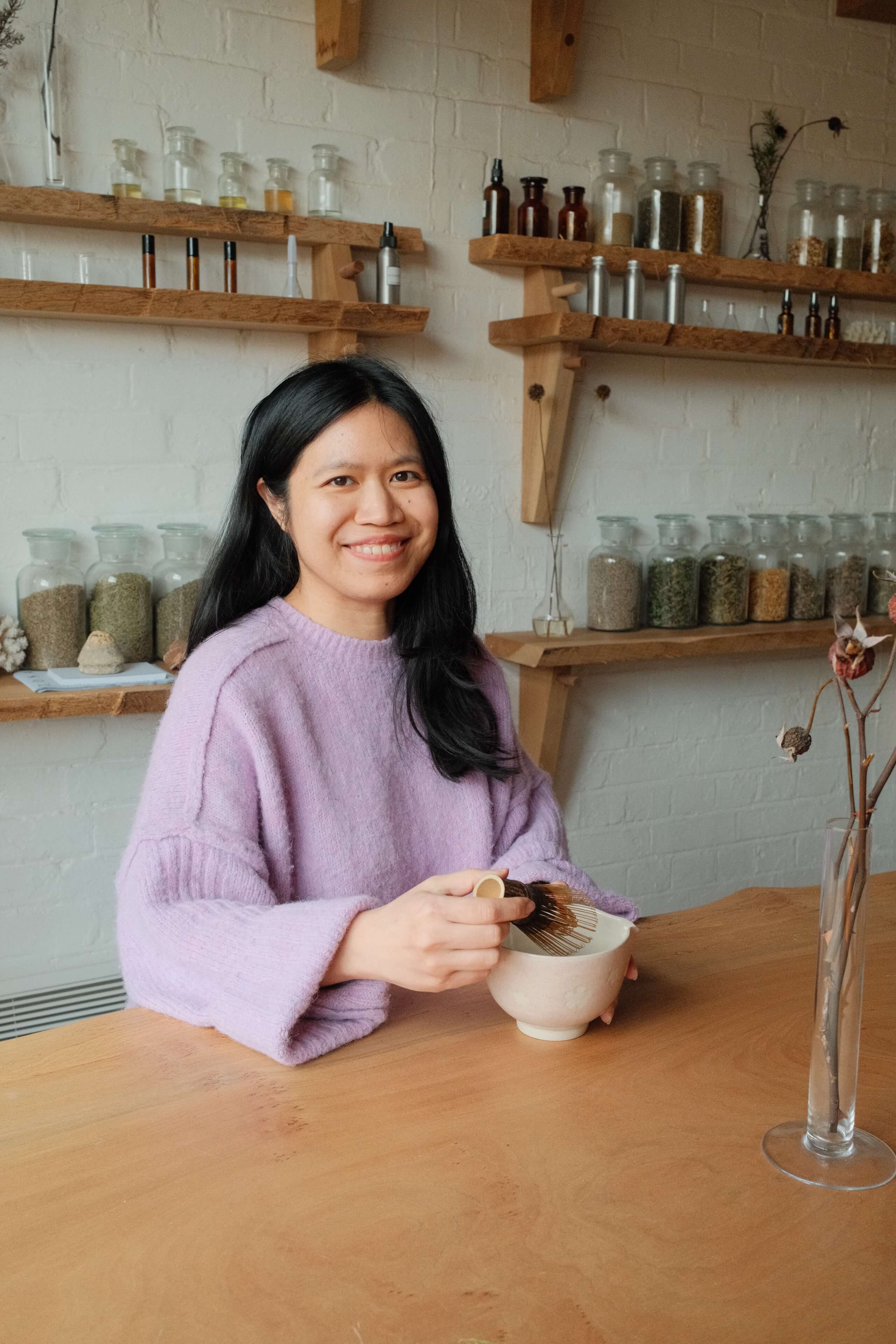
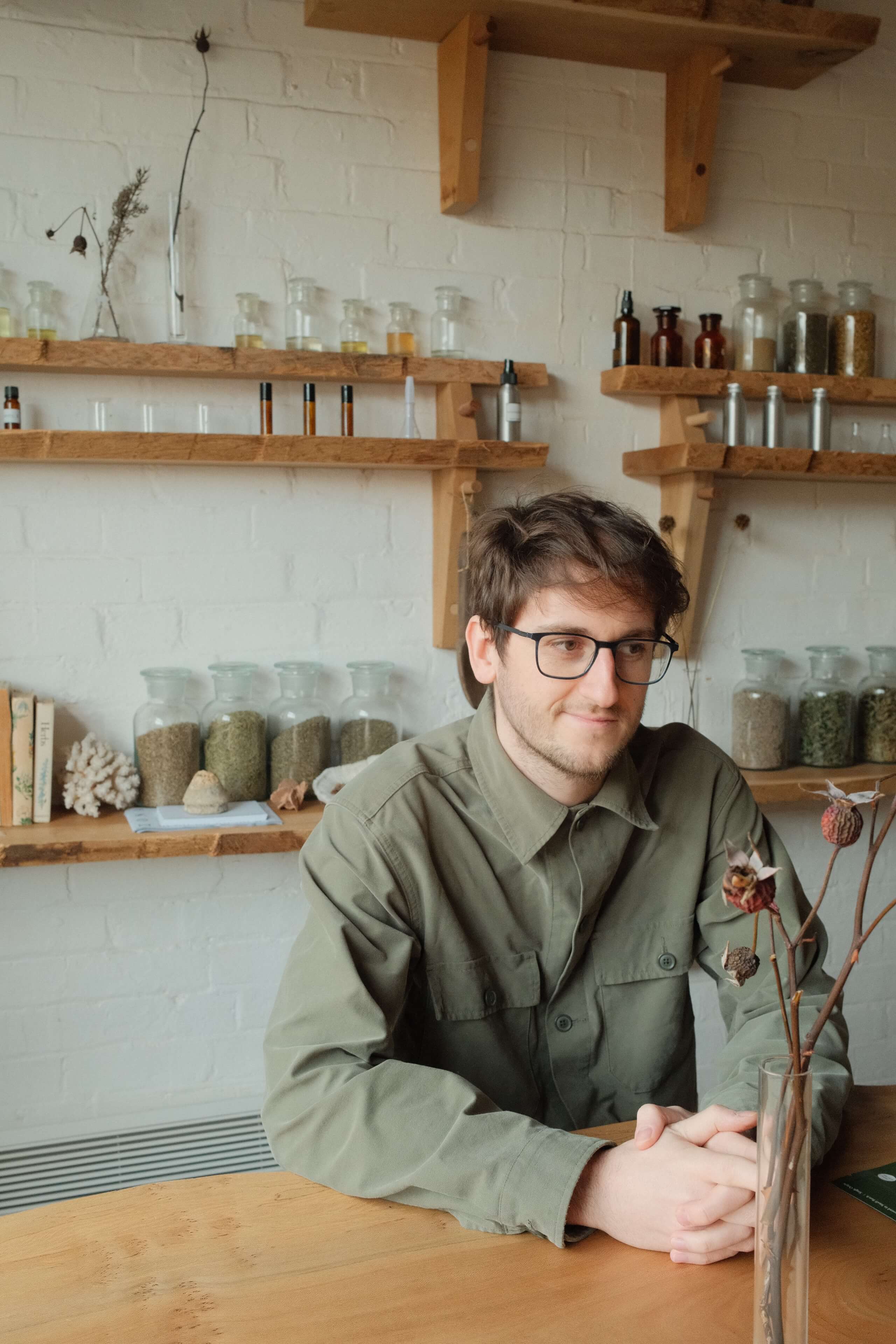
In good company is where we sit down with the brands, founders and partners we rate. Next up: Nicha from Haru Matcha, the people behind ceremonial-grade matcha, sourced direct from a small family farm in Japan and sold with the tasting notes most brands leave out.
We wanted to know what it takes to build a matcha culture in a country that mostly just opts for £4.50 flat whites or a cup of Rosie Lea. What came back was the honest version: a scream by the pool when the Selfridges email landed, a stone mill that grinds out just forty grams an hour, and a very firm opinion on flavoured lattes.
First, the origin story that isn't in the pitch deck
We started Haru Matcha in Spring 2024. Haru means spring in Japanese and the best time to harvest matcha is in springtime. That's how we came up with the name. We started running matcha tastings and workshops in Brighton, where we lived at the time. After a couple of sessions, we realised that there was still a gap of high quality premium matcha in the UK. When you go to cafes, buying the matcha feels like a gamble as most cafes are selling poor quality and very bitter matcha. We wanted to change the perception so that people knew they could also make quality matcha at home.
We have a special relationship with a farm in Ujitawara, near Kyoto just next to Uji, which is the birthplace of matcha in Japan. Our matcha comes from this small family farm. When it comes straight from the source, you can see the quality and it tastes very different. We exist to create a culture of matcha appreciation in the UK, that’s our ultimate mission.
You've spent time on the ground with the farmers behind Hana and Kasumi. What's the tiny detail in a cup of matcha that you obsess over that most people never notice?
I think the most important thing is the colour and the taste. That's why we say where each matcha is from and the varieties and flavour profile, because that helps people choose the flavour profile that would fit their palette. We see farmers as the recipe developers of the matcha, because the process involves understanding the climate, the soil, the fertilizer formula, the shading process, and so much more.
Traditionally, the farms use the stone mill to make matcha. My favorite fun fact is that in one hour, they can only mill 40 grams of matcha. Matcha is such a labor intensive process, it takes a lot of time to produce. There's so much more to matcha that people need to know, and that's why we bring it to life off the shelf by doing tastings and workshops as well.
Desert island matcha: floral Hana or nutty Kasumi, if you could only ever whisk one again, which one and why?
I would actually choose our new blend that we’re about to launch, Yugen, as my personal favourite. It’s the brightest green of all and the most umami. It’s not too strong, but still strong enough to mix with milk. We’re very excited for this one because we’ve had really great feedback. Consuming which blend of matcha really depends on someone’s palette or how they like to make the matcha, but with Yugen, everyone who’s tried it says they love it.
What's your go-to way to drink matcha at home?
My personal way would be a matcha latte, but strong. I would add quite a lot of matcha. Almost like when you make a flat white, so less milk and more matcha in it.
You've compared matcha appreciation to wine tasting. If Hana and Kasumi were on a tasting list, how would you actually describe them?
Hana is quite smooth, delicate, and sweet with a hint of cherry blossom, and is best for usucha (the standard, light preparation of matcha green tea) or drinking straight. Kasumi has a bolder taste, ideal for matcha lattes, with a nutty kind of smoky aroma. Yugen is a balance between the two: quite delicate, mellow, but still bold enough for milk, with really nice umami, plus subtle nuttiness that’s comparable to edamame and kombu or seaweed.
Landing in Selfridges is a big moment. What was actually going through your heads the first time you saw Haru on those shelves?
Yeah, that was the biggest moment for us. We got the email from Selfridges when we were on holiday, and I think I literally screamed by the pool. They said that they came across our brand from social media, but we were really pleased that they saw what we're trying to present and how we’re trying to be different from other brands. More Western brands add flavourings, but we keep it authentic and focus on the origins.
What's the next cultivar, region, or club idea you're dying to bring to Haru that we haven't seen yet?
Besides our new blend Yugen, which is launching October 1st, we might want to explore other regions like Mie and Kagoshima. For us, we’d have to find a really great matcha from that region before we launch, because we don't want to just launch for the sake of launching, you know?
Japan's got its tea ceremony, Britain's got its cuppa. Pretty much every culture has some version of stopping for tea. What is it about tea that you think brings people together like that, no matter where they're from?
I think that tea is such a beautiful love language. It kind of breaks through barriers of different cultures. It's such a great way to understand other cultures in a non-formal way. I see it so clearly in our matcha workshops every month: we not only build a community, but we bring people together. That's actually the gist of the tea ceremony in Japan, too. It’s used as a way of socialising, bringing guests into the home, and meeting new people. With our matcha workshops, people can taste the matcha and chat in their groups. Strangers sit together and they start to mingle. It's so sweet to see people really get along over matcha, they’ll be like, “oh, we should go to this matcha place together after” and things like that. It makes us so happy to see people turn off the screen, focus on the present and make new connections.
Fancy a delicious cup of matcha? You can order Haru Matcha on the app.
More brands, founders and partners we rate to come.
%20(4)%20(1).png)
%20(1).jpg)


